Pixel Farm: Wisconsin Lottery
I started my internship at Pixel Farm on May 12, 2025 – just four days after graduating from Ringling College of Art & Design. I had three days to completely relocate all of my
belongings to Minneapolis and dive straight into this internship.
Thanks to Adam Dargan for giving me this opportunity. Adam was my CG supervisor here and walked me through every step, making sure I felt comfortable.
The first few days were slow, but then came the offer to pitch a 3D spot for Hiebing, which gave me my first opportunity to showcase my skills. We were given AI-generated boards
from the agency, and each of us was asked to create unique, special, and captivating 3D visuals to present to the client.
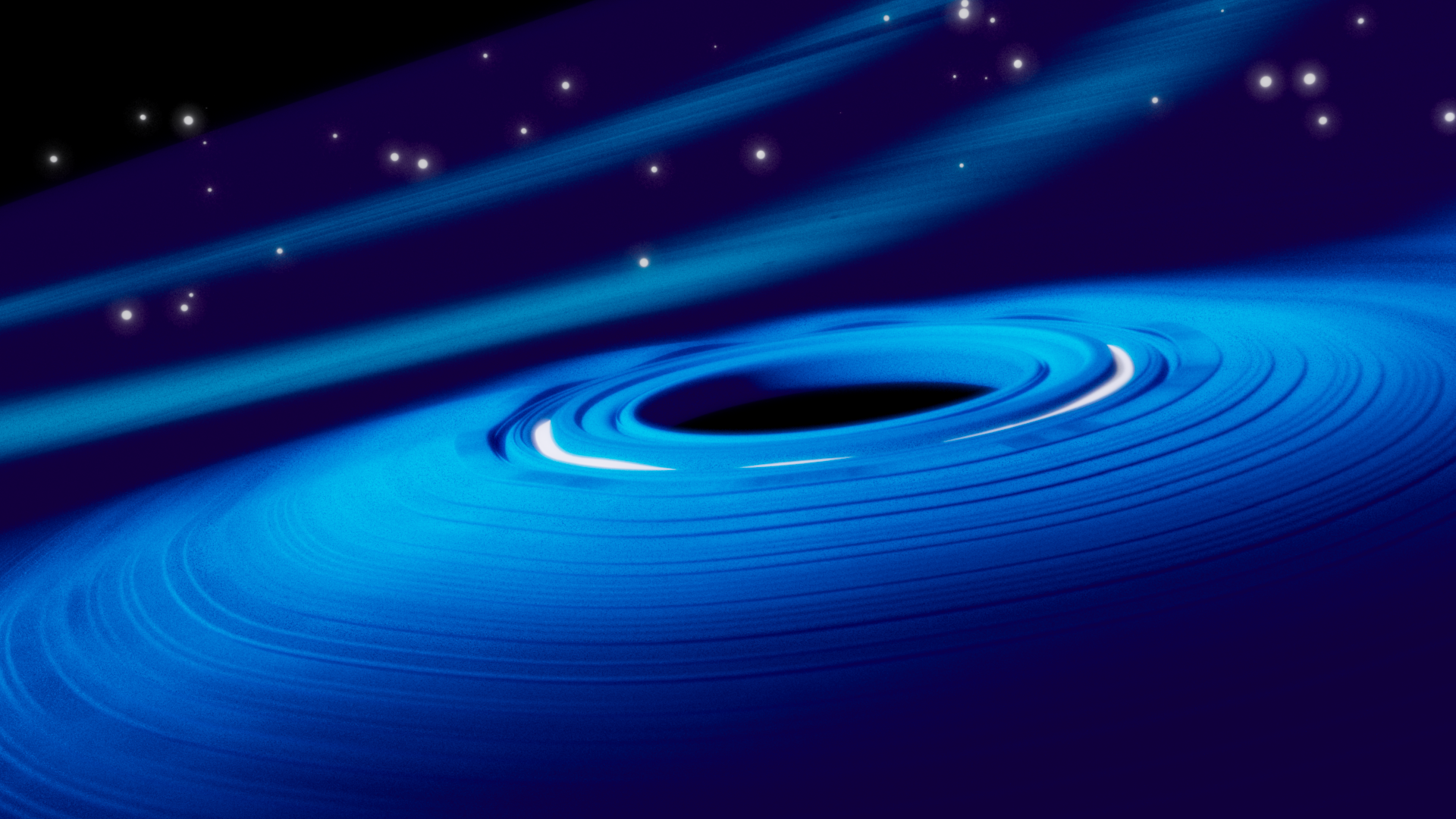
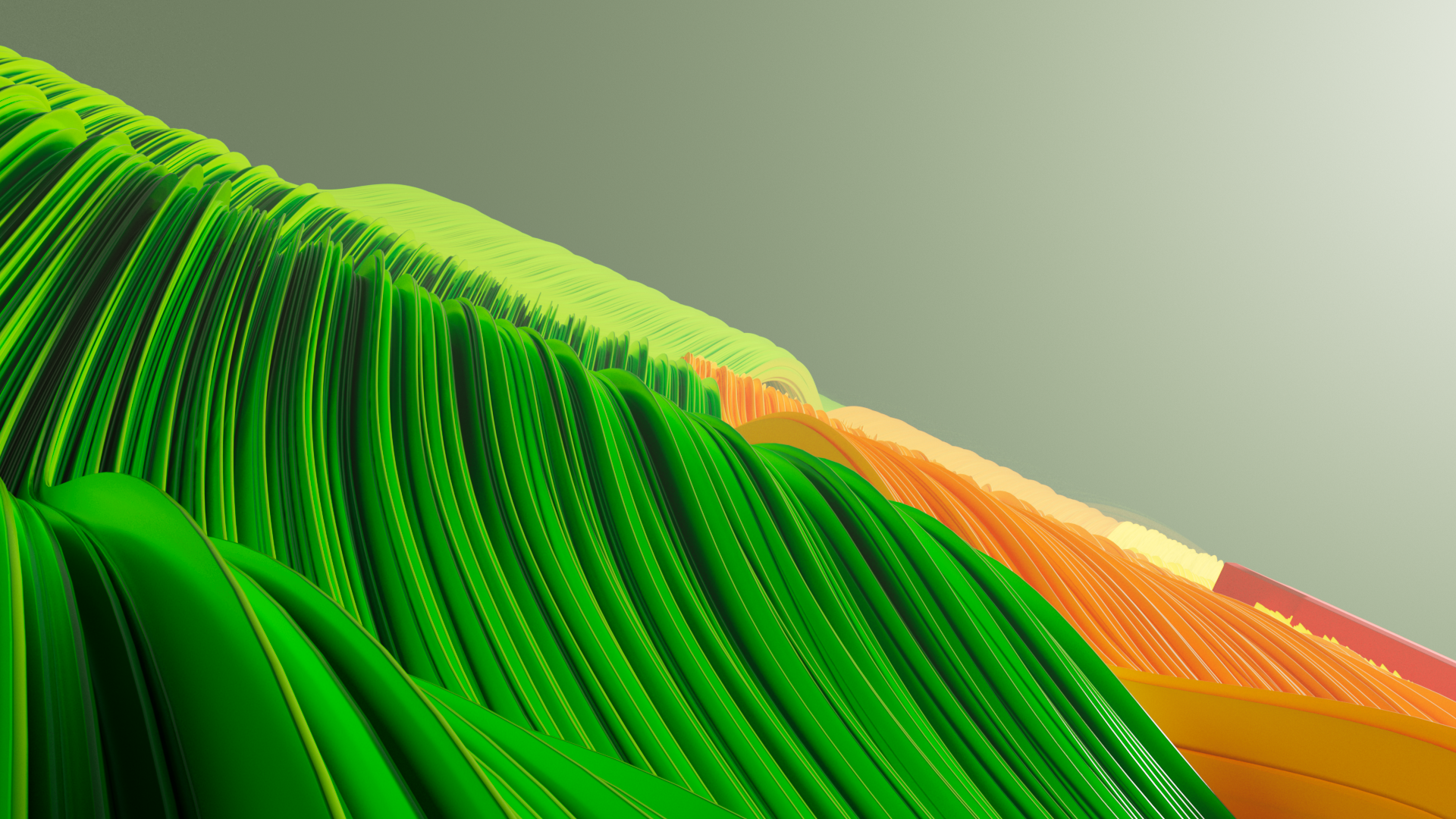
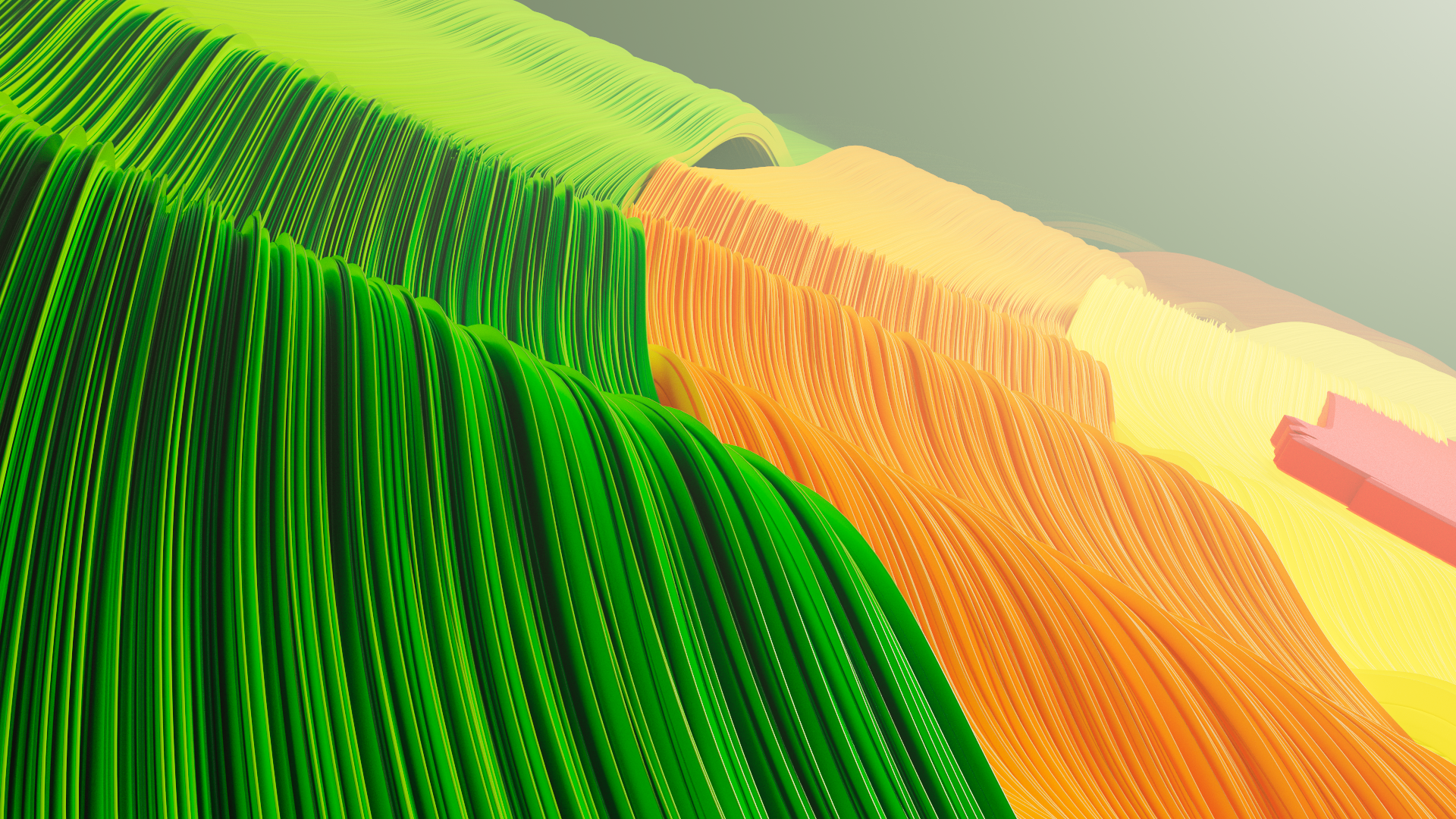
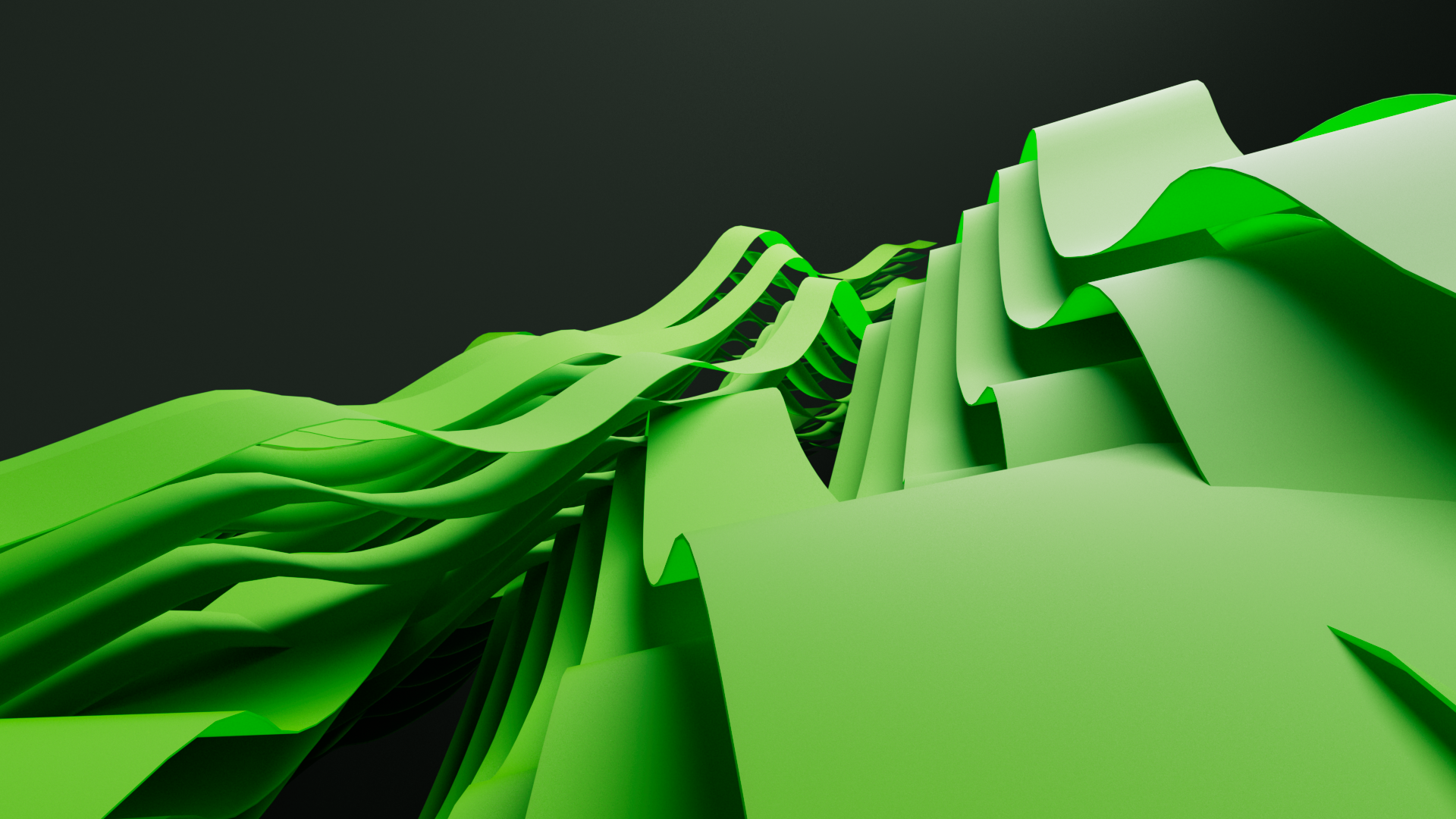
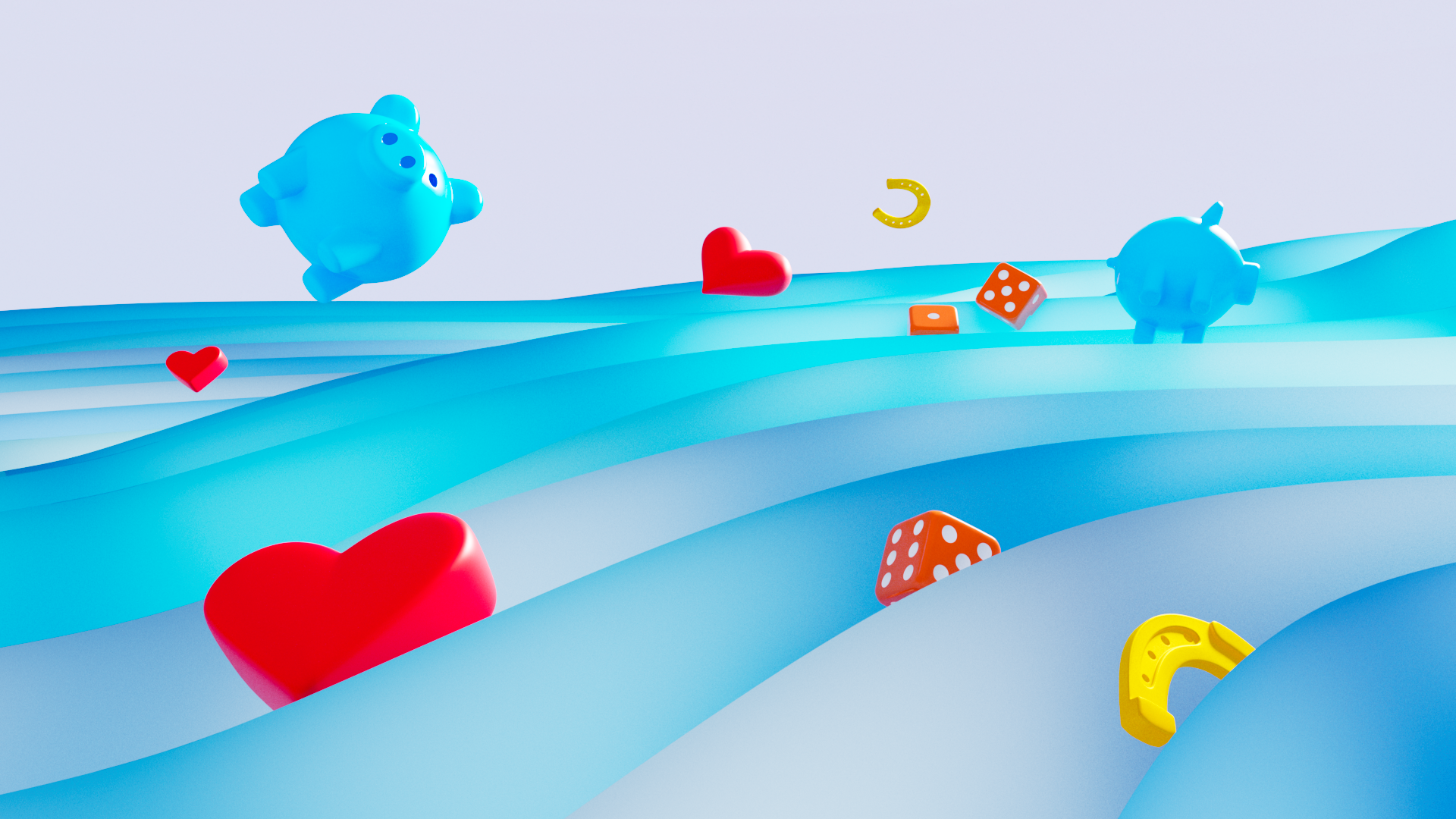
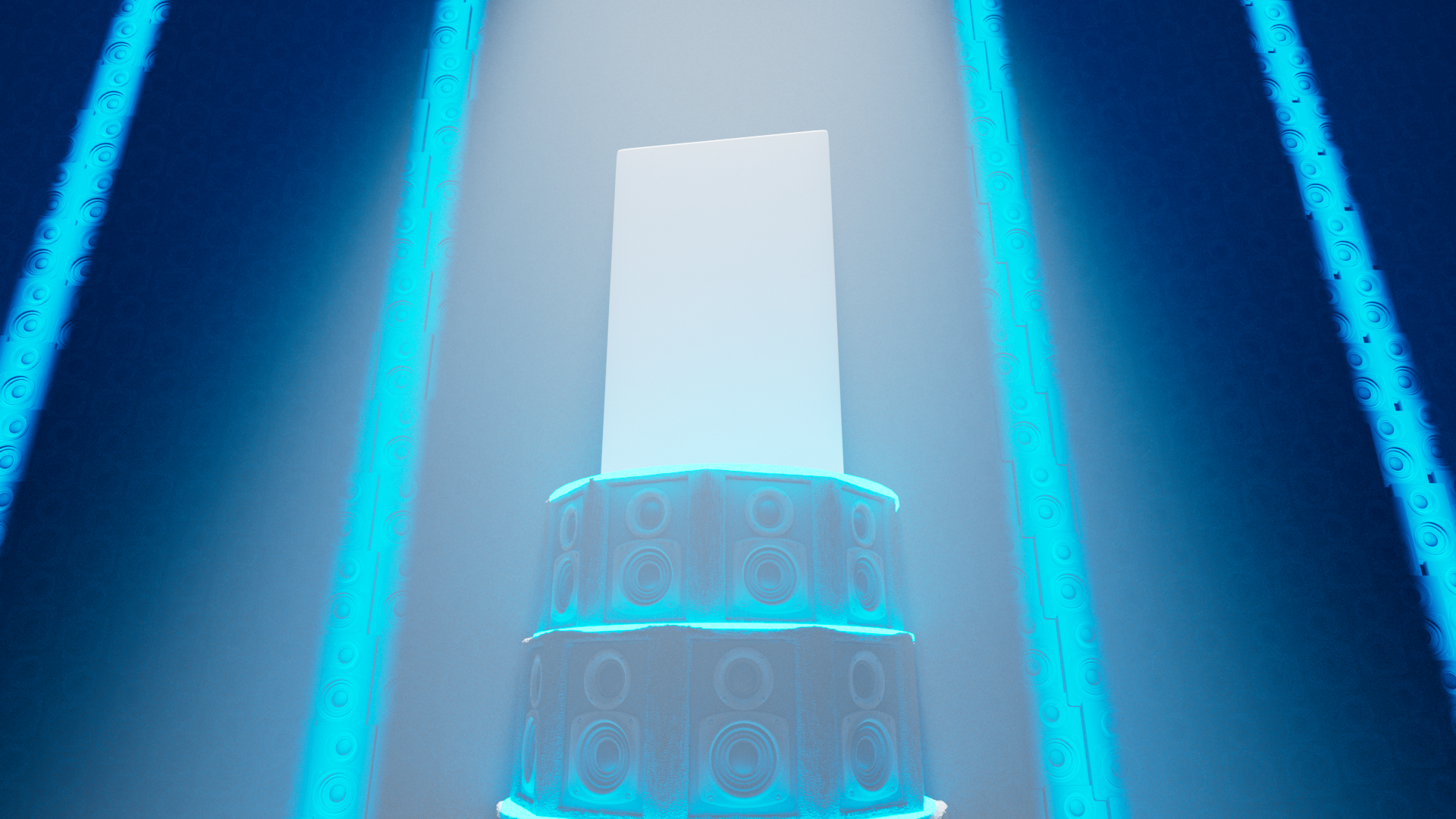
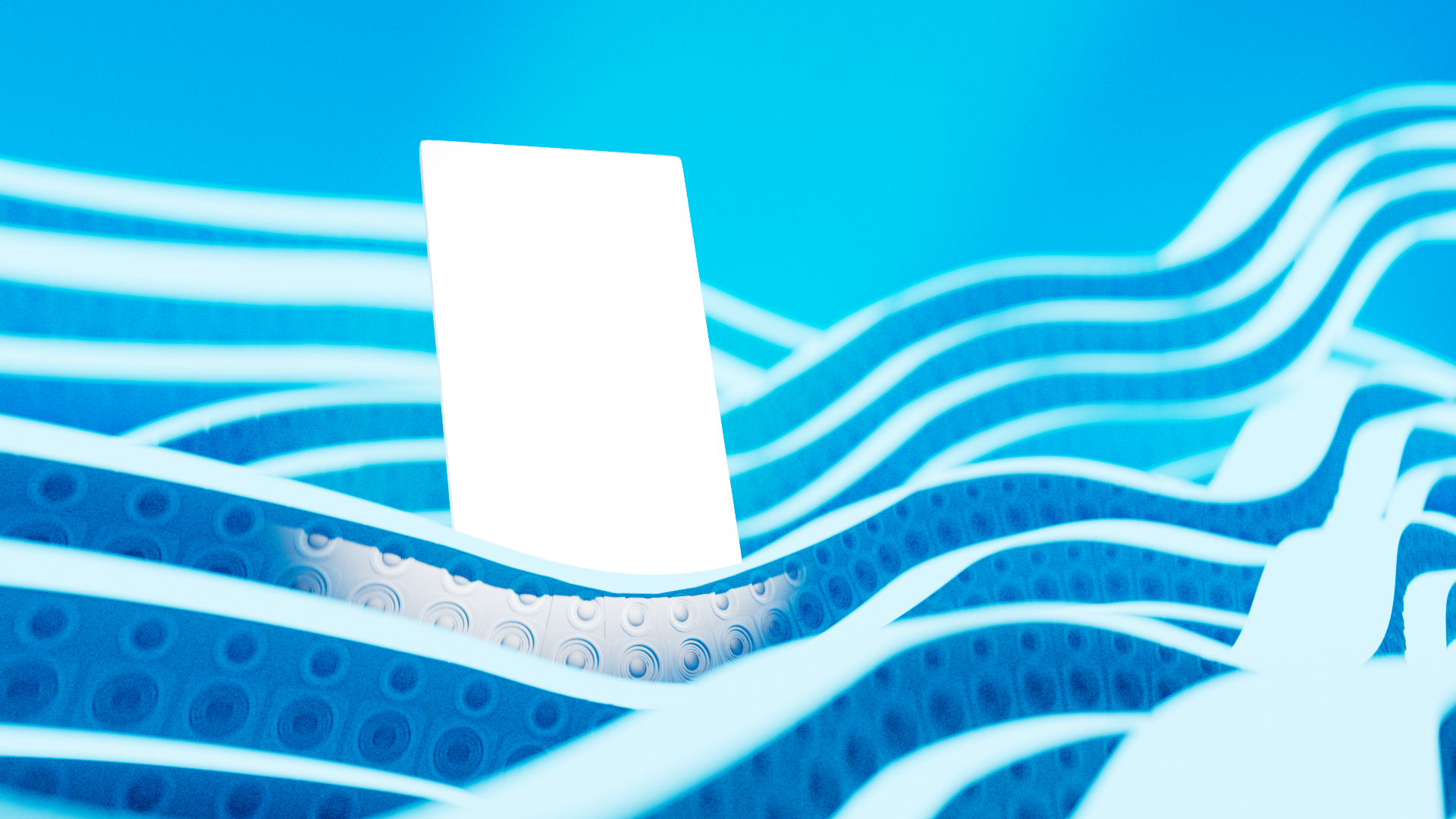
First 3D renders I’ve made using Maya and Redshift
So Jeff Stevens (Creative Director) gathered all of us in a room and discussed about the deliverables and what Hiebing wanted. We all stared at the storyboards the agency provided.
There I was – excited to start and explore a whole new direction of art, leaving Ringling after doing character animations, I felt it was a great opportunity to exlore my skills in motion design.
The room wasn’t sure how the boards would connect to one another so I rushed to create a rough animatic that might give us some ideas on how we can go around it.
The storyboards Hiebing provided.
Here’s my rough animatic – exploring the visuals in hopes bring more ideas to the table.
The note that I got was “it shouldn’t feel like water”. But thankfully I’ve implemented an idea here that carried all the way to the final spot.
After trying that out, I was asked to create more 3D content. Since Pixel Farm has two departments, 3D and 2D, it made sense why I shouldn’t explore my visuals in boarding.
Coming from Ringling, where I had to handle entire projects on my own and where “story comes first” was always the echoing mantra, I finally understood what it’s like to work with a team.
From there, I focused on following Jeff’s and Adam’s guidance. I was briefed that there would be two spots: one focusing on the speakers and the other on the dancing icons. I then worked
on producing 3D images that felt like vinyl detail breaking apart into dancing ribbons, exploring what that might look like.
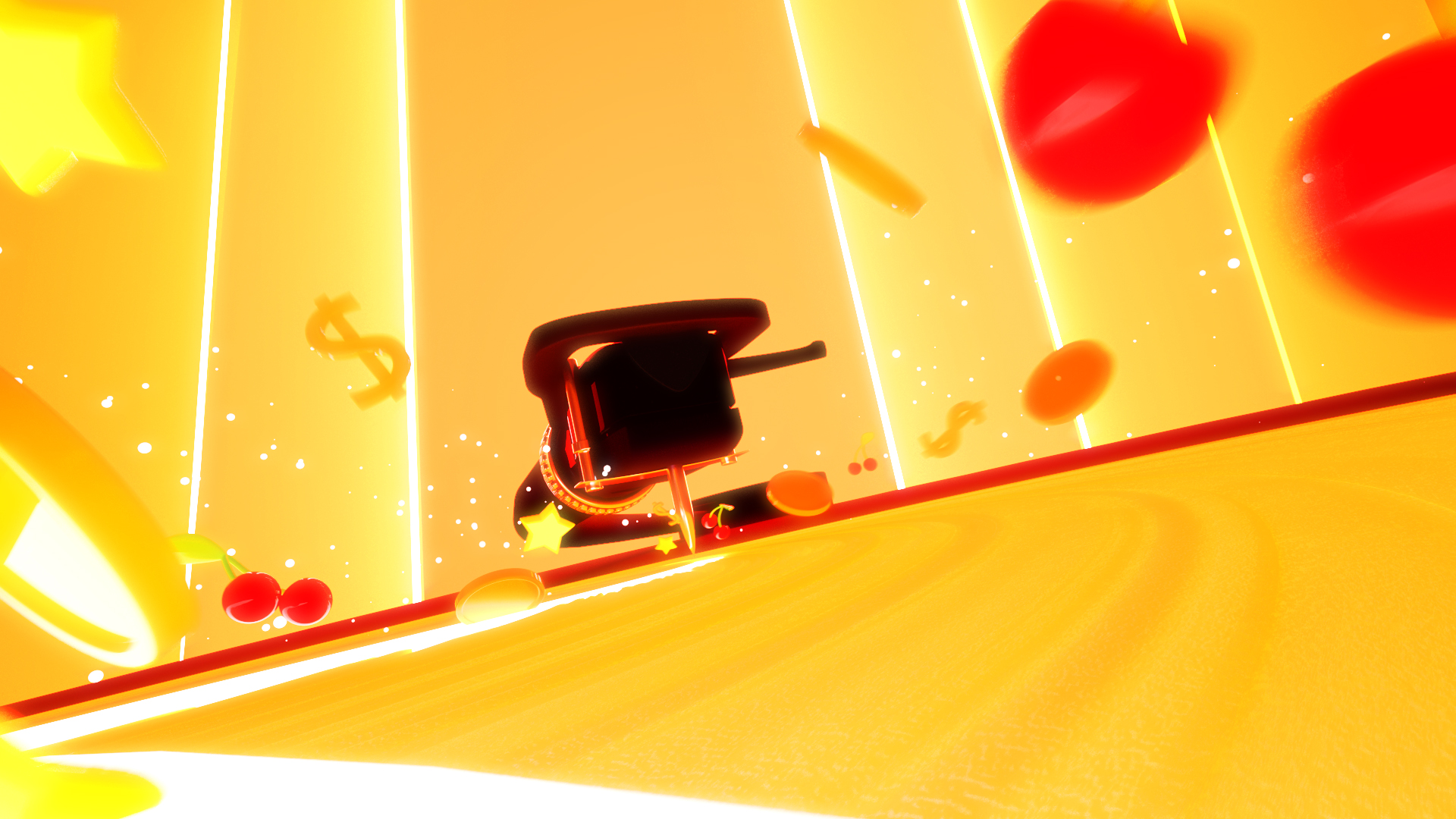
Exploring what the dancing icon spot looks like
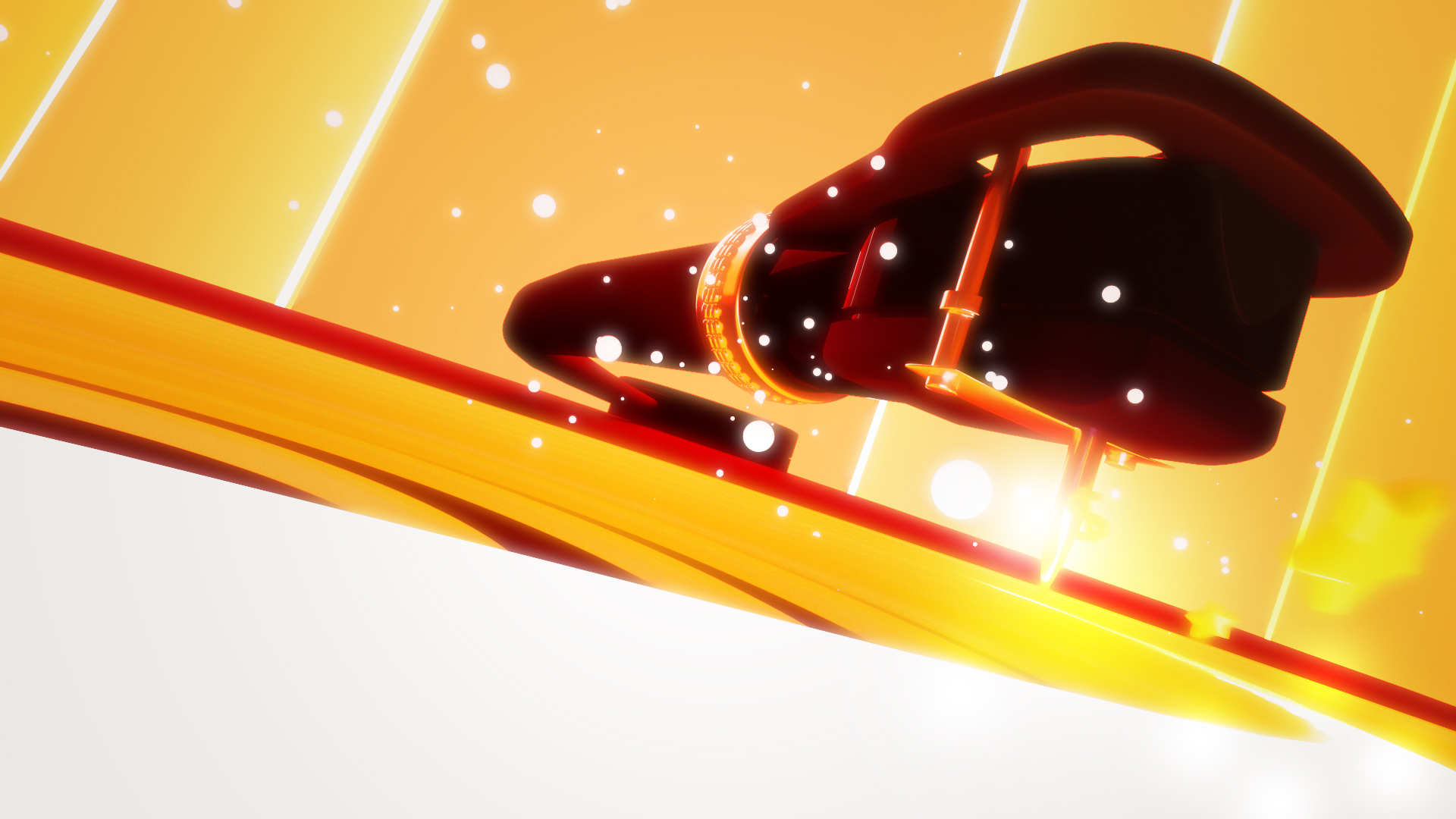
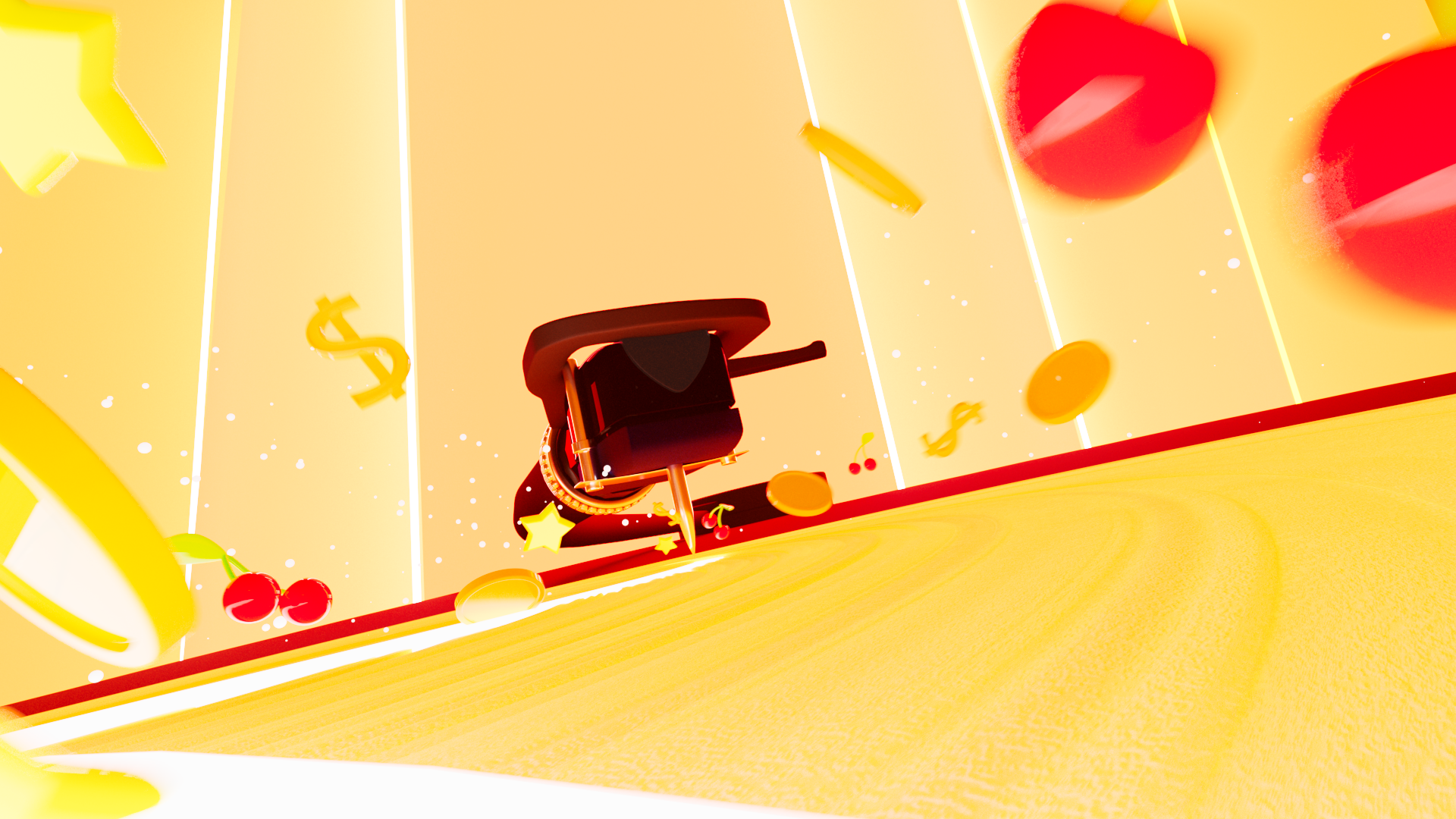
After lots of feedback, one of the renders I created carried through to the final spot: the orange background and the needle scratching through the vinyl to reveal the icons from the
lottery tickets. Even though the final framing and style didn’t match my renders, the idea still carried into the final advertisement.
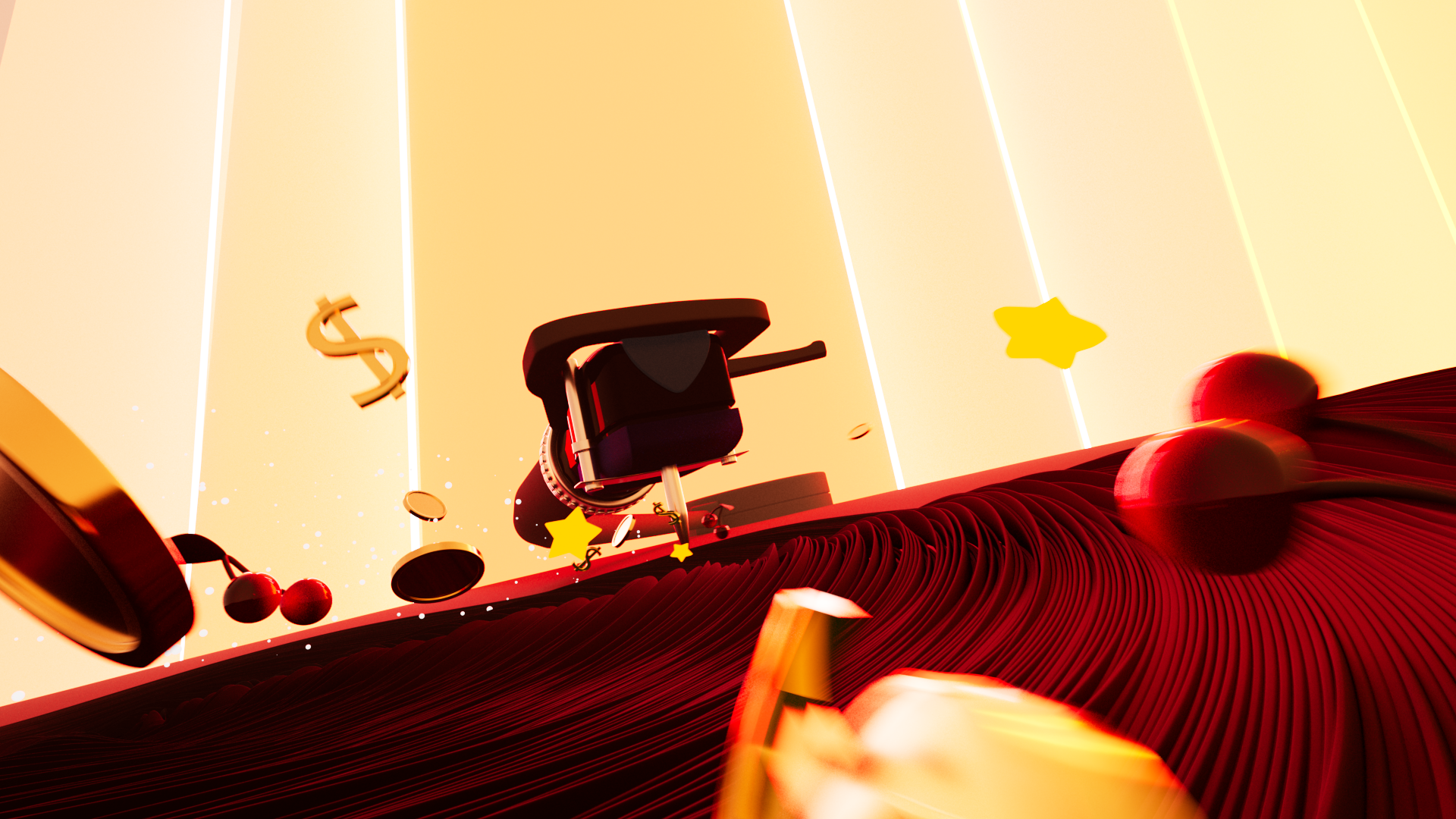
On the left is my render. On the right is a still frame from the final spot.
My progress till the final frame.
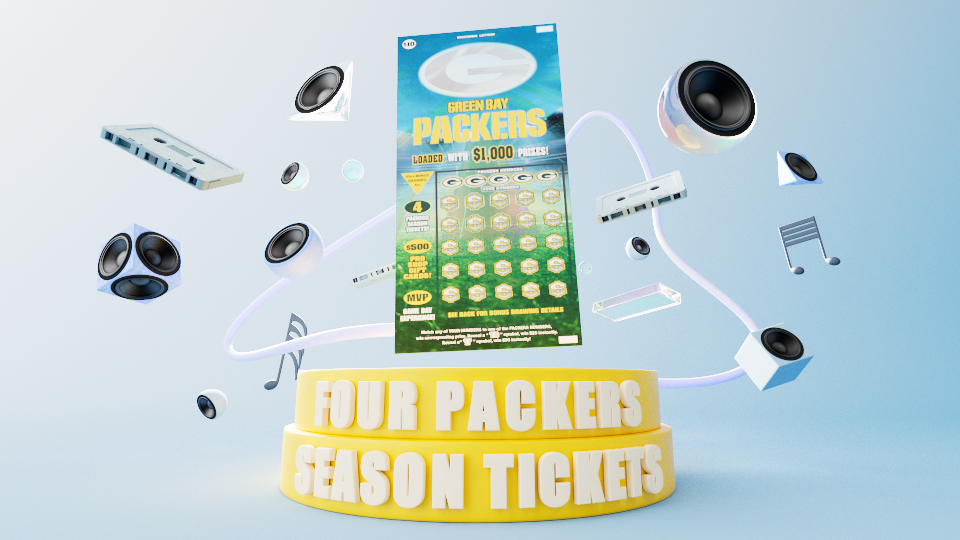
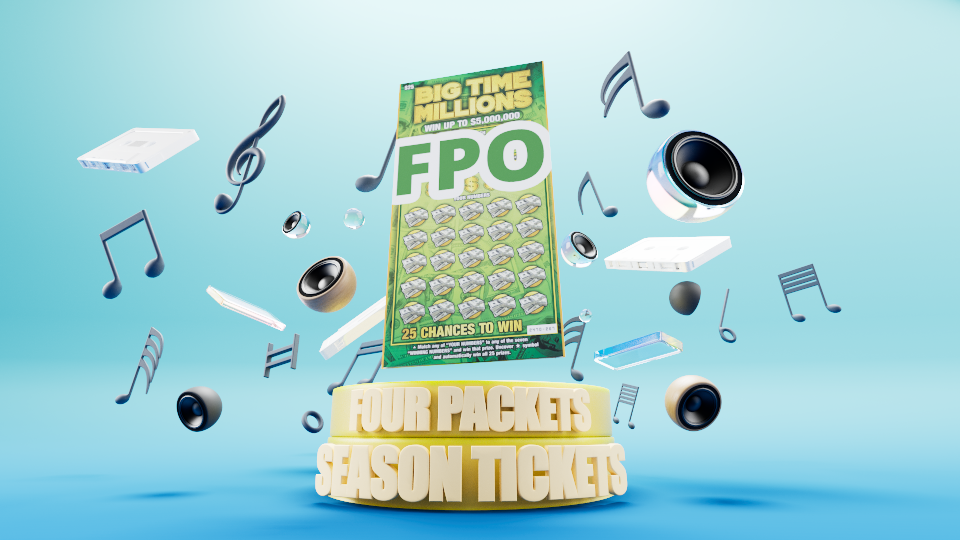
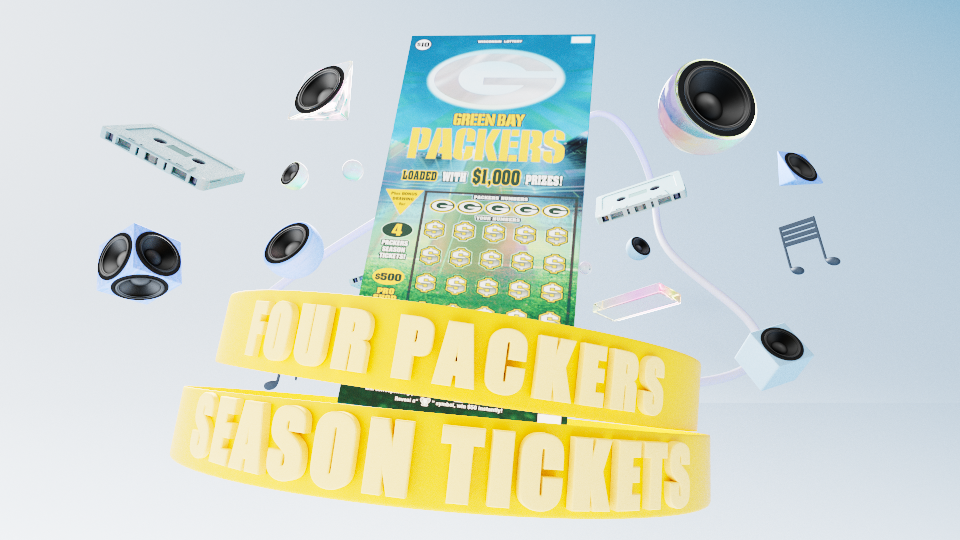
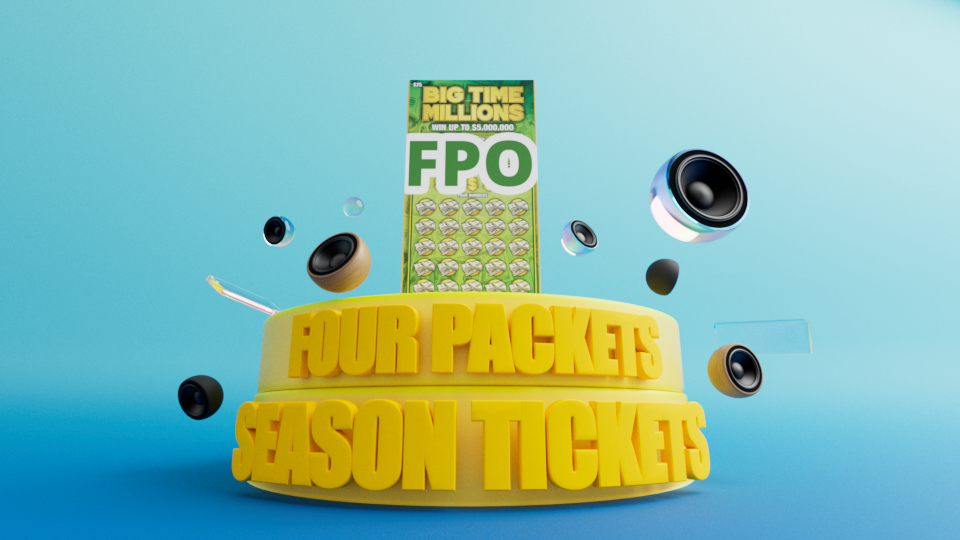
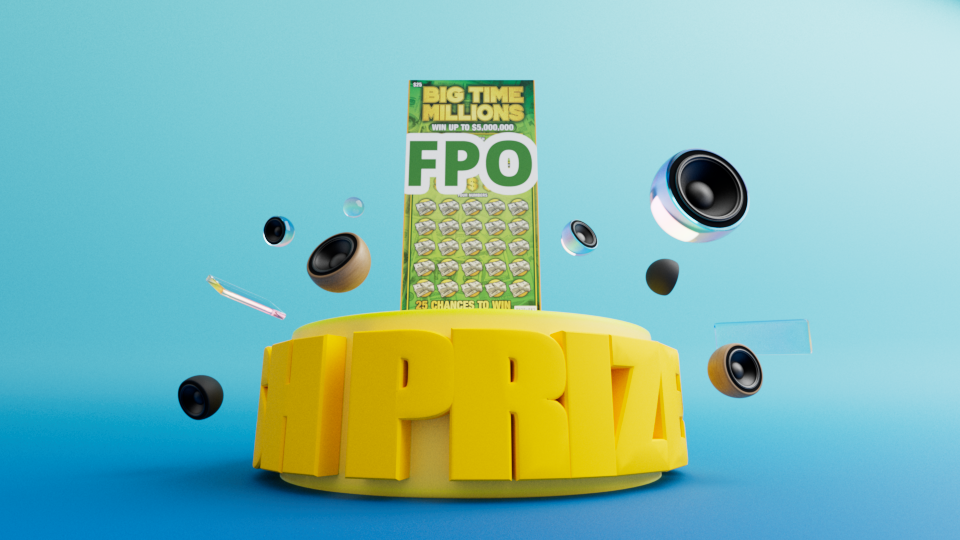
After that, I was asked to explore more of how the speaker spot would look. We wanted it to feel like an explosion of music-related objects that seemed realistic.
I also explored more ideas on combining both the ribbons and the speakers in hopes of finding a visual solution for how they could transition into one another.
Exploring what the speaker spot looks like
Asset Building for the Spot
A week or two have passed and the producer came to annouce in excitement that we won the bid.
Unfortunately since the team were overwhelmed with different projects, I had to focus most of my time on Emerson Gemini project.
I did get the change to build some assets for Wisconsin Lottery such as the record player itself and a trophy that didn’t get the cut.
Final Spot Video
This was a great experience and an introduction to Pixel Farm’s amazing workflow. After this project, I started working on my own social spot called Ruby Chocolate and completed
two walkthrough videos for Emerson Gemini.
I’d like to thank Adam Dargan and Jeff Stevens again for guiding me through this project and for introducing me so warmly to the work Pixel Farm does.